Real-life cases in forensic pathology
Discover how forensic pathology plays a pivotal role in solving complex criminal cases, revealing critical evidence often hidden from plain sight. These real-life examples demonstrate the power of detailed investigation and the impact of autopsy findings.

Uncovering hidden truths
Forensic pathology is often the key to unlocking the mysteries behind unexplained deaths. Autopsy results can reveal hidden injuries, identify the presence of toxins, and provide crucial insights that are not immediately apparent, turning the tide in criminal investigations. These summaries highlight how such discoveries were instrumental in bringing clarity to complex cases.
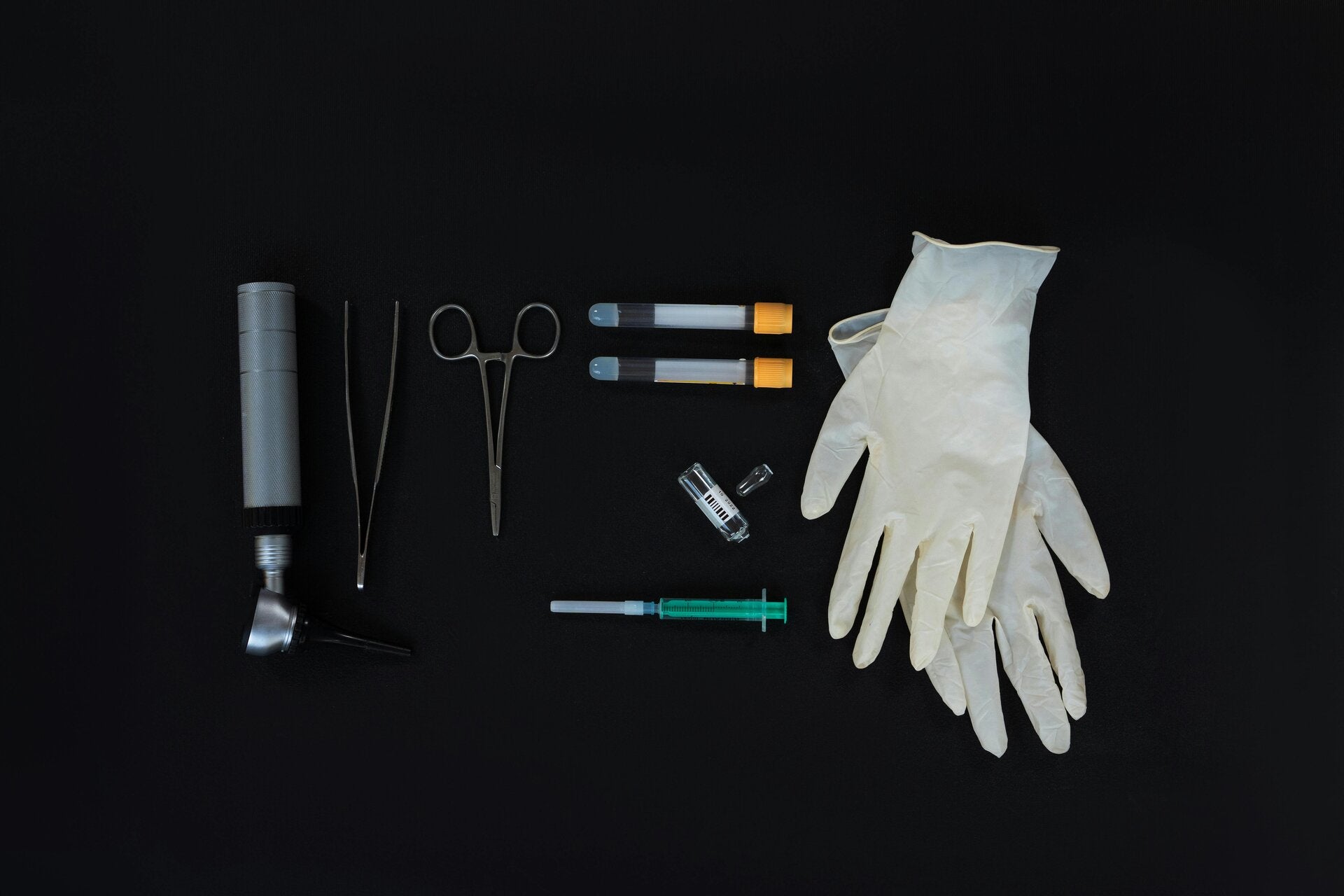
Case study 1: The silent witness
In a seemingly straightforward case, initial observations suggested natural causes. However, a meticulous autopsy revealed subtle signs of internal trauma inconsistent with the preliminary findings. This critical discovery led investigators to re-examine the circumstances, eventually uncovering a hidden assault that changed the course of the case. The forensic pathologist's detailed examination acted as the silent witness, speaking for the deceased.

Case study 2: The toxic secret
A series of unexplained illnesses in a community led to a baffling investigation. It was only through extensive toxicological analysis during a post-mortem examination that a rare, slow-acting poison was identified. This crucial finding not only explained the deaths but also provided law enforcement with the evidence needed to trace the source of the contamination and apprehend those responsible. The autopsy unearthed a dangerous secret.
Create Your Own Website With Webador